Reset to Real: What 2026 Event Trends Are Really Telling Us
Lately, I’ve felt a shift that’s hard to ignore.
People are tired of polished, performative everything. They’re craving experiences that feel human, unfiltered, and actually worth leaving the house for.
That’s why the Eventbrite Social Study 2026 caught my attention. Their theme, Reset to Real, puts real data behind something many of us have already been experiencing on the ground: a cultural return to in-person experiences that feel spontaneous, participatory, and rooted in place.
You can read the full report here: https://www.eventbrite.com/social-study-trends/
What follows isn’t a summary for marketers. It’s a reflection on what these trends look like in real life, based on what I’ve seen while helping organize and support community events.
Off-Script Energy: Why People Want the Unexpected Again
One of the strongest signals in the report is what Eventbrite calls Off-Script Energy. Attendance is rising for experiences that break routine and feel a little unpredictable; rooftop music events, forest bathing, pop-up gatherings in unexpected spaces.
Nearly 80 percent of people surveyed say it’s important that events feel spontaneous or surprising.
That resonates deeply with my experience working on community-driven events like the Funky Food Drive. What made it work wasn’t polish or perfection. It was the feeling that something real was happening right now, with real people, for a real reason.
When everything online is optimized and scheduled, off-script moments pull people back into presence.
Takeaway: Events don’t need to be bigger or flashier. They need to feel less rehearsed.
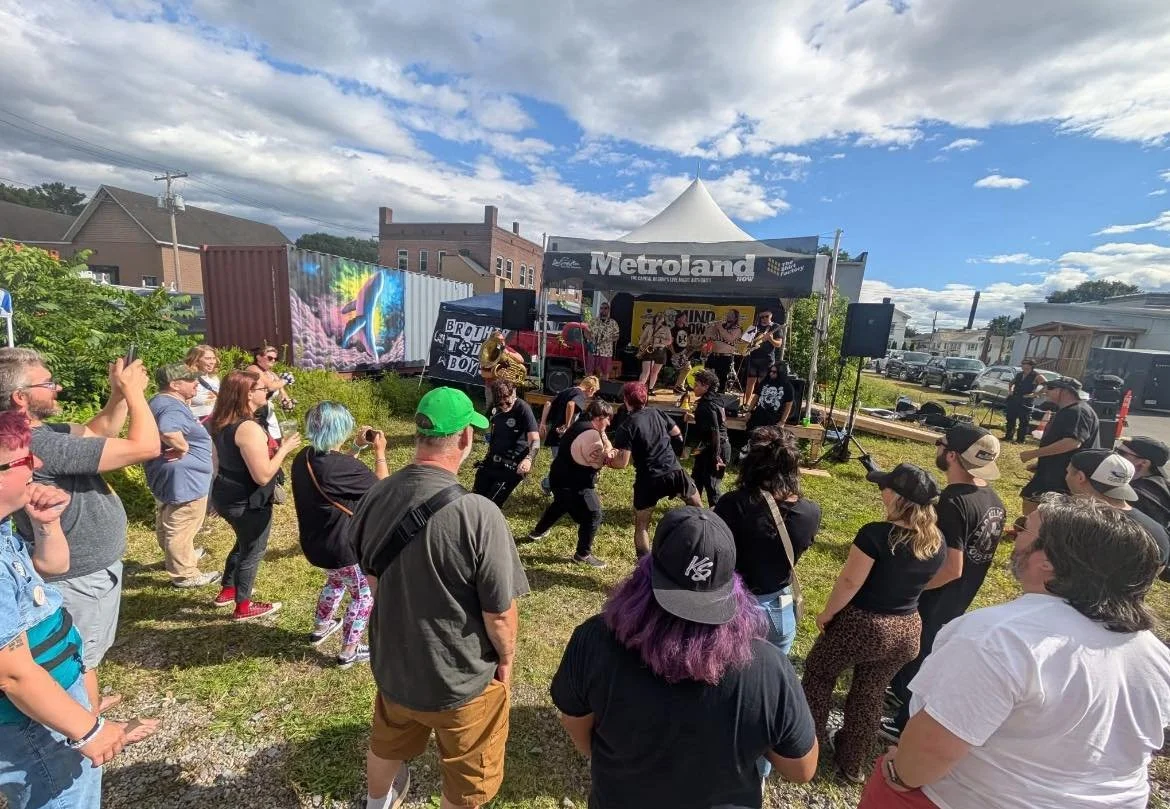
Circle Pit during MindBlown Festival 2025 at the Shirt Factory in Glens Falls NY
Soft Socializing: Together Without the Pressure
Another major trend is Soft Socializing.
People still want to do things together, but without the pressure to network, perform, or be “on.” Low-stakes shared experiences. Music bingo, craft nights, and casual classes are growing fast.
The report shows that many people prefer when socializing isn’t the main focus. The experience comes first, and connection happens naturally.
This mirrors what I’ve seen at events like MindBlown. Not everyone comes to mingle. Some come for the music. Some come to volunteer. Some just want to exist in a room with others who feel similarly. That flexibility is what makes people feel safe enough to show up.
Takeaway: Design events where connection is optional, not mandatory.
Show Up to Shape It: Participation Beats Consumption
Eventbrite also highlights a strong move toward participatory experiences.
Clothing swaps, community brainstorms, art builds, and cause-based events are all seeing growth. About one-third of respondents say they want more opportunities to actively participate, not just watch.
This has been a defining factor in the success of both the Funky Food Drive and MindBlown. People weren’t just attendees. They were contributors donating food, helping organize, volunteering, performing, or spreading the word.
After years of passive scrolling, participation restores a sense of agency.
Takeaway: People don’t just want to attend culture. They want to help create it.
Neighborhood Revival: Why Local Still Wins
Another clear pattern in the report is Neighborhood Revival.
Local art walks, small business pop-ups, downtown events, and hyperlocal gatherings are all on the rise. People want to feel connected to the places they actually live.
I’ve seen this firsthand in Glens Falls. Events that celebrate local businesses, local artists, and local causes consistently outperform generic, placeless programming. They give people a sense of belonging that digital spaces can’t replicate.
After years of online life flattening everything, place matters again.
Takeaway: Hyperlocal isn’t small. It’s grounding.
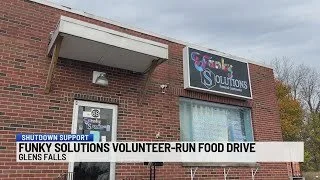
Screenshot of Funky Solutions Food Drive on the Local News
Layers, Not Labels: Specificity Creates Belonging
Finally, the report highlights a trend called Layers, Not Labels.
Events that blend interests and identities like queer line dancing, sip-and-craft nights, or music plus mutual aid are thriving. People are less interested in fitting into one category and more interested in spaces that reflect the full mix of who they are.
This has been core to how I approach community work. When events are specific enough, the right people recognize themselves immediately. You don’t have to convince them.
Takeaway: Specific invitations create stronger connections than broad ones.
The Bigger Picture
Taken together, the Eventbrite Social Study confirms something important:
People are hungry for experiences that feel human, participatory, and rooted in real communities.
Not optimized. Not mass-produced. Not endlessly contentified.
Reset to Real isn’t a trend you manufacture. It’s something you make space for.
If you’re organizing events, building community, or supporting local culture, the work ahead isn’t about louder promotion. It’s about creating conditions where people feel safe, present, and genuinely invited to show up.
That’s where the real momentum is.